Office Space for Startups in London: How to Choose the Perfect Workspace
March 30, 2026 20 Minute Read

Introduction
A startup office should do three things well: control costs, support a growing team, and help the business win clients. For most startups, the right office space is not a long lease or a fixed footprint. Instead, a startup office space needs to provide an ideal office space that can adapt as the business evolves.
Flexible office space allows startups to test working patterns, hire at pace, and adjust their space as demand changes, without being tied into a long term commitment. In London, this flexibility is increasingly central to how founders approach workspace decisions, particularly as hybrid working and selective office attendance become the norm.
CBRE research consistently shows that office strategy is now closely linked to talent attraction, productivity, and experience, rather than being driven by rent alone. For startups, the office is a tool to enable growth, not a fixed cost to be endured.
Our expert teams support startups at every stage, helping them secure the right location, space, and commercial terms to support their business today and into the future. Read our step‑by‑step guide for more insight.

Step 1
Startup office priorities: defining the right office space
Before committing to any office space, founders should define what “right” looks like for their startup office over two horizons: the next 90 days and a realistic 12-month growth scenario. This approach is crucial, as startups rarely grow in a straight line.
Key variables to assess include team working patterns, client interaction, collaboration needs, and budget resilience. A workspace that works for new founders can quickly become restrictive as the team expands or business demands shift.
Clarifying these requirements early makes it easier to identify the right office space and avoid costly moves later.
Step 2
Types of flexible office spaces for startups
London offers several established workspace models that suit different startup stages. Each option can represent an ideal office space depending on headcount, privacy requirements, and growth plans.
Coworking space
A coworking space is often the fastest route from home working into a professional environment. It offers convenience, flexibility, and predictable costs. For early-stage startups and small businesses, a coworking space can improve productivity by separating work from home, while also creating opportunities for collaboration with other entrepreneurs.
Many coworking spaces provide access to meeting rooms, shared amenities, and networking events that help founders build relationships and gain informal support.
Dedicated desk and shared workspace
A dedicated desk provides consistency while retaining flexibility. Each team member has an assigned desk within a shared workspace, supported by common areas and breakout areas. This model suits startups that want routine and reliability without committing to a private office.
Shared workspace environments also encourage collaboration while keeping costs manageable, making them a popular choice for growing teams.
Private office within shared office spaces
A private office within shared office spaces offers a dedicated, lockable space while retaining access to shared amenities. This option is well suited to startups that need privacy for client discussions or sensitive work but still value being part of a wider community.
For many startups, a private office acts as a transition between coworking and a more permanent space.
Serviced office
A serviced office provides a more traditional office experience with built-in flexibility. Serviced offices provide reception services, IT infrastructure, utilities, furniture, and cleaning as part of a single monthly cost.
This model suits startups that want a branded, professional environment for clients while minimising operational overhead and management time.
Virtual office
A virtual office supports startups that operate remotely but require a professional business address and occasional access to meeting rooms. It allows companies to maintain a London presence without the cost of a physical office.

Step 3
Why London attracts startups
London continues to attract startups from across the UK and internationally due to its scale, connectivity, and depth of opportunity. The city combines access to talent, infrastructure, and flexible workspace options that support businesses at different stages of growth.
Many office spaces in London offer scalable options, allowing startups to expand or downsize as needed. This flexibility is particularly valuable in fast-moving sectors where team size and space requirements can change quickly.
Networking and collaboration are actively encouraged in many London office spaces. Startups are often located alongside like-minded founders, innovators, and entrepreneurs, creating opportunities for knowledge sharing and partnership through both formal and informal interactions.
Operationally, many office spaces in London provide a strong range of amenities, including meeting rooms, common areas, and modern technology infrastructure. These features support day-to-day productivity and allow startups to operate efficiently without managing facilities themselves.
Location is another key advantage. Startups benefit from being based in central London, where access to a diverse talent pool is strongest and transport connectivity is highest. Well-connected locations such as King's Cross and the West End make it easier for employees and clients to travel while reinforcing credibility with investors and customers.
Step 4
Meeting rooms, event spaces, and hosting capability
Meeting rooms are a critical component of any startup office. They support pitching, onboarding, workshops, and internal planning. When assessing office space, startups should review how meeting rooms are booked, what technology is included, and whether board rooms are available for investor meetings.
Many flexible office environments also provide event spaces that can be used for product launches, community events, and networking sessions, adding further value for growing businesses.
Step 5
Amenities, services, and working environment
The right workspace reduces operational friction by bundling services and simplifying daily management. Core amenities to prioritise include reliable wi-fi, secure access, comfortable furniture, and quiet areas for focused work.
Natural light, thoughtfully designed layouts, and well-maintained common areas also contribute to employee wellbeing and long-term productivity.
Table: Workspace Types, Features and Amenities
We've pulled together an overview of what you can typically expect from different types of workspace. No one size fits all, but this should help narrow your search for the right space for your startup.
| Workspace Type | Location and Accessibility | Core Amenities* | Meeting / Event Facilities | Community Programming | Security and Privacy | Workspace Quality | Tech Infrastructure | Cost Structure Clarity | Sustainability | Notes |
|---|---|---|---|---|---|---|---|---|---|---|
| General coworking | ✔ Central/transit-friendly | ✔ Strong baseline; access will vary by site | ◐ Bookable rooms; event spaces are common | ✔ Regular events/workshops | ◐ Building-level access; privacy via phone booths | ◐ Good light; acoustics vary | ◐ AV in rooms; booking apps common | ◐ Transparent base price and add‑ons | ◐ Recycling; certifications vary | Cost-effective; noise/privacy trade-offs |
| Industry-specific (tech/creative/biotech/maker) | ◐ Often cluster-based | ✔ Plus specialised gear | ◐ Tailored rooms; labs or studios | ✔ Targeted mentorship/community | ◐ Higher compliance; controlled access | ◐ Quality tuned to use-case | ✔ Specialised AV/podcast/lab technology | ◐ More line items due to specialised services | ◐ Some pursue LEED/BREEAM; energy use depends on equipment | Best for specialised tools/compliance; higher costs |
| Hybrid models (coworking and accelerator/incubator) | ◐ Near innovation hubs | ✔ | ✔ Programme and event-heavy | ✔ Mentors + founder circles | ◐ Access tied to program | ◐ Well-designed for startups | ✔ Strong AV; booking systems | ◐ Program fees/credits; clear terms needed | ◐ Varies by operator | Added value via programs; eligibility/timelines apply |
| Private office suites (within coworking) | ✔ Prime locations typical | ✔ Shared building amenities | ◐ Access to shared rooms | ◐ Light programming access | ✔ Enclosed offices; better confidentiality | ✔ Higher ergonomic control | ◐ Good AV in shared spaces | ◐ Rent and add‑ons; deposits/notice periods common | ◐ Corporate-grade varies | Privacy with shared amenity access; higher price |
| Hot desk / Flex desk | ✔ Good locations typical | ◐ Wi‑Fi and kitchen; lockers and access vary | ◐ Limited free hours; paid bookings | ◐ Access to events | ◐ Open-plan; minimal privacy | ◐ Depends on zone | ◐ Basic AV in shared rooms | ✔ Clear day pass/monthly pricing | ◐ Basic recycling | Lowest commitment; limited seating |
| Dedicated desk | ✔ Good locations typical | ✔ Includes storage; 24/7 access more likely | ◐ Meeting credits common | ◐ Full member programming | ◐ Semi-private; personal desk | ◐ Better ergonomics setup | ◐ Access to room AV | ✔ Transparent membership and add‑ons | ◐ Basic recycling | Predictable access; pricier than hot desks |
| Virtual office (address, mail) | ✔ Prestigious address | ✖ Physical amenities not included | ✖ Not included (pay-per-use) | ◐ Limited or none | ◐ Mail privacy; visitor management via reception | ✖ N/A | ✖ N/A | ✔ Clear monthly fee and mail add‑ons | ◐ Operator-dependent | Professional address; minimal onsite access |
*Wi‑Fi, printers, lockers, kitchen, phone booths, 24/7 access
Step 6
Budget properly: compare total costs, not just rent
Comparing office space options requires a full view of total costs. Startups should assess deposits, notice periods, meeting room overages, furniture and equipment requirements, and any additional services charged separately.
Flexible contracts with clear terms help protect budget and allow startups to adapt as the business grows or market conditions change.
In practice: Examples to help guide your decision
Example 1: A four-person product team
The team starts in a coworking space with two dedicated desk memberships and uses meeting space for client demos. As they hire, they expand into a private office within shared offices to improve focus and control noise.
Example 2: A ten-person B2B business
The company chooses a serviced office so clients experience a consistent reception and branded feel. Because serviced offices provide services, the founders spend less time on admin and more time closing revenue.
In London, startups often choose a location that supports both hiring and selling. If your business depends on fast feedback loops, pick an environment that helps the team create momentum: startups learn from nearby startups, entrepreneurs and partner companies, and employees gain productivity from routine.
Costs and Pricing Checklist
There are so many considerations for each office type. This checklist will help you rank the office spaces within your search and identify the winner.
| Model | Billing | Price Range | Included Items | Cost Drivers (tick ✓) | Hidden / Variable Costs (tick ✓) | Budgeting Inputs | ROI / Notes | Financial Fit Score (0–5) |
|---|---|---|---|---|---|---|---|---|
| Hot desk / Flex desk | Day / Monthly | £ ___ per day £ ___ per month |
✔ Wi‑Fi [ ] Shared lounge [ ] Kitchen [ ] Community |
[ ] City / area [ ] Space type [ ] Amenities [ ] Term length [ ] Brand / operator |
[ ] Meeting room charges [ ] Printing [ ] Lockers [ ] Guest passes [ ] After-hours use |
Base £ __ Add‑ons £ ___ Deposit £ ___ |
Lowest commitment; good for occasional use; 24/7 varies | ___ |
| Dedicated desk | Monthly | £ ___ per month | Assigned desk Storage/locker Wi‑Fi Phone booths |
[ ] City/area [ ] Space type [ ] Amenities [ ] Term length [ ] Brand / operator |
[ ] Meeting overages [ ] Printing [ ] Mail handling [ ] Guest passes |
Base £ ___ Add‑ons £ ___ Deposit £ ___ |
Predictable access; often 24/7; higher than hot desks | ___ |
| Private office (suite) | Monthly | £ ___ per month (___ seats) |
✔ Enclosed office [ ] Shared amenities [ ]Reception / address |
[ ] City/area [ ] Space type [ ] Amenities [ ] Term length [ ] Brand / operator |
[ ] Meeting rooms [ ] Printing [ ] Extra keys [ ] Setup fees [ ] Uilities |
Base £ ___ Add‑ons £ ___ Deposits £ ___ |
Privacy and brand kudos; rate sensitive to term and size | ___ |
| Virtual office | Monthly | £ ___ per month | ✔ Address ✔ Mail handling [ ] Limited access |
[ ] City/area [ ] Brand / operator [ ] Term length |
[ ] Meeting pay‑per‑use [ ] Mail parcel fees [ ] Call answering |
Base £ ___ Add‑ons £ ___ Deposit £ ___ |
Professional presence; minimal onsite access | ___ |
| Day pass | Per day | £ ___ per day | ✔ Wi‑Fi ✔ Shared spaces |
[ ] City/area [ ] Amenities [ ] Brand / operator |
[ ] Meeting room use [ ] Printing |
Base £ ___ Add‑ons £ ___ |
Ideal for drop‑in days; simple pricing | ___ |
How to choose the perfect office space: a founder checklist
Before signing an agreement, founders should confirm that the startup office space supports near-term needs and longer-term growth, offers genuinely flexible terms, provides adequate meeting rooms, and remains affordable if growth takes longer than planned.
The environment should support both focus and collaboration, while the wider community and events programme should add tangible value to the business.
Choosing the Right Space: Checklist and Scoring Table
As a startup, you are likely to have big ambitions. This checklist should help you cut through the choices and make sure your office is future proof and will stand you and your team in good stead as you grow.
| Stage | Actions | Checklist Items (tick ✓) | Score (0–5) | Notes |
|---|---|---|---|---|
| Needs assessment | Define requirements before research | [ ] Team size now and 12–24 month growth assumptions [ ] Budget range (monthly, per seat, add-ons) [ ] Work style (quiet vs. collaborative) [ ] Industry-specific equipment/tools (labs, maker, studios) [ ] Must-have amenities (Wi‑Fi, booths, meeting rooms, 24/7 access, lockers) [ ] Community expectations (networking, mentorship, founder circles) |
||
| Research and comparison | Identify and shortlist options. | Online discovery: [ ] Marketplaces [ ] Operator sites [ ] Review platforms Tours: [ ] Visit at peak hours [ ] Test Wi‑Fi speed [ ] Check noise levels [ ] Assess air quality and ventilation [ ] Lighting / natural light Reviews: [ ] Community vibe [ ] Service quality [ ] Cleanliness [ ] Issue resolution Pricing clarity: [ ] Hidden fees (printing, meeting credits, mail handling) Negotiate terms: [ ] Flex clauses [ ] Upgrade / downgrade path [ ] Security deposits |
||
| Key questions to ask | Validate fit during calls/tours. | [ ] Pricing inclusions, extra costs, notice periods [ ] Internet speed and SLA (uptime, support response) [ ] Security and privacy policies (access control, CCTV, visitor managment, soundproofing) [ ] Accessibility and transport/parking (transit, walkability, bike storage) [ ] Community events cadence and curation [ ] Booking rules for meeting rooms/phone booths (credits, lead times, penalties) |
||
| Fit and risk review | Assess operational risks. | [ ] Availability (start date, capacity) [ ] Compliance needs (H&S, lab standards) [ ] Contract flexibility (break clauses, notice) [ ] Total cost of ownership (base + add-ons + deposits) [ ] Exit/upgrade pathway |
||
| Decision and next steps | Finalise and prepare for move-in. | [ ] Shortlist ranked by score [ ] Reference checks (speak with members) [ ] Final negotiation (credits, discounts) [ ] Draft agreement review (legal/finance) [ ] Move-in strategy (IT, access, lockers, orientation) |
CBRE's Flexible Solutions team helps businesses of all sizes to model their scale and needs as they progress on their professional journey. If you want additional assurance that you're choosing the right space for your startup, the team is here to help.
To conclude
London startups scale in London because startups need business reach and startups outgrow house setups. For London startups, location decisions are business decisions for startups.
In a connected world, signal matters: the form of your office tells clients how serious the business is.
In a connected world, startups succeed when the workspace reduces friction. Treat your London startup office space decision as a strategic lever: choose flexible office space, protect your budget, and keep options open as the business and team evolve. The perfect office space is the one that helps startups build momentum while avoiding avoidable risk.
Top Serviced Office Spaces for Startups in London
- Spacemade, Hale House
- Level39 – Canary Wharf’s Premier Tech Hub
- The Engine Room – Battersea Power Station Arding & Hobbs – X+Why
- Go Bermondsey – Creative Energy in South London
- Techspace – Goswell Road
View the Complete List of Serviced Offices in London
Top Coworking Spaces for Startups in London
Early-stage startups seeking community
- WeWork, 10 York Road
- Runway East Shoreditch
- Arding & Hobbs – X+Why
- Go Bermondsey – Creative Energy in South London
Technology startups and scale-ups
- The Ministry Borough Road
- Techspace St Andrew Street
- Techspace – Goswell Road
- The Engine Room – Battersea Power Station
- Cubo Soho
- FORA 33 Broadwick Street
Fintech companies and financial services startups
Sustainability-focused startups
View the Complete List of Coworking Spaces in London
Popular Managed Office Searches in London
The City
Aldgate
Bank
Clerkenwell
Farringdon
Liverpool Street
London Bridge
Moorgate
Old Street
Shoreditch
St. Paul's
Your Personalised Coworking Experience Awaits

Try hot desking for flexibility and cost-effectiveness with loads of natural light and comfortable seating. These spaces encourage collaboration and creativity, so you can choose your spot daily.

Get the best of both worlds with our dedicated desks. A personal space in a collaborative environment, stability and access to shared amenities. Ideal for professionals who want consistency with flexibility.

Take control of your workspace with our Private Office and Managed Workspace solutions, a permanent space that offers stability and personalisation.

Explore our Serviced and Self-Contained Office Spaces for a truly bespoke experience. Fully equipped solutions that offer flexibility and independence, combining essential services with a space that reflects your brand and values.
Coworking Resources and Guides
-

Find tech office space in Shoreditch, Old Street and King’s Cross. Compare areas, transport and pricing, and browse coworking, serviced and managed offices.
-
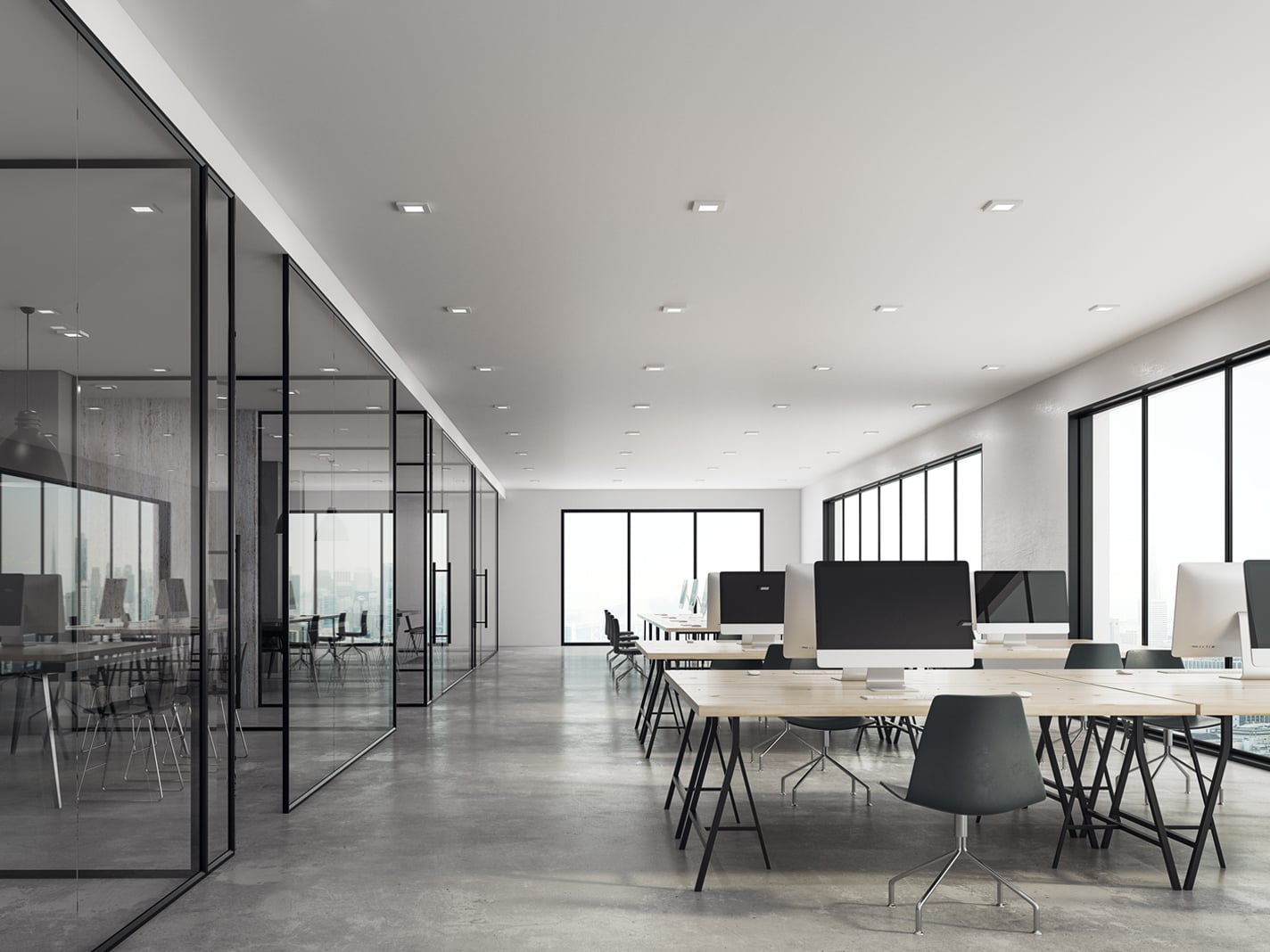
Maximise your workspace efficiency with our essential guide to office space planning. Discover practical tips to enhance productivity.
-
Step-by-step framework for London startups: budget, location, hybrid needs, flexibility, amenities and growth for choosing the right workspace.
-

Explore top shared office solutions tailored to your business needs and enhance productivity. Read the article to find the perfect fit for your workspace!
-

CBRE is your partner for managed office spaces in London & UK. We offer expert tips to help you make the right choice.
-

Explore London's most unique coworking spaces (updated). We've handpicked the best workspaces with amazing design, vibrant communities, and flexible memberships.
-

Simplify your search for serviced offices in London. Our updated 2026 list of top flexible workspaces with premium amenities, flexible terms, and inspiring locations to suit your business needs.
-

Your quick guide to flexible office space, its advantages and the options available to you.
Related Services
- Plan, Lease & Occupy
Flexible Space Solutions
Plan and execute real estate strategies that adapt to changing demand and employee work preferences through flexible spaces.
- Transaction Services
Tenant Representation
Supporting office occupiers across London and the UK with office search, lease negotiations, renewals, rent reviews and flexible workspace solutions.
- Plan, Lease & Occupy
Workplace Solutions
Build resilience, attract and retain talent, and foster connection and collaboration in your workplace.