London’s Future: Driving Growth Across Real Estate
Three major trends will transform London’s real estate
There are wide‑scale trends that will impact the look, feel and performance of future cities, but they will still drive growth.
The future is uncertain and the macro‑trends that will impact global real estate markets are yet to be fully discovered. For now, we can be sure that London will be impacted by changing demographics, technology, artificial intelligence, and sustainability.

1
Demographics

The Inner London population is expected to grow by 23% from 2025‑2050*. The total number of households is due to increase, while the average household size will reduce.
*In the same time period, the working age population is expected to increase by 569,060 (+21%) and the over 70s population by 176,410 (+79%).
As a result, demand for homes and workspaces, related services, and amenities should remain robust. An ageing population will reinforce the need for healthcare and senior living in London which is already undersupplied. This will place further demands on construction, infrastructure, and housing supply and intensify the pressure for limited development sites in London.
Market sentiment is beginning to respond. Among alternative sectors, European lenders are favouring senior living and there is pent‑up demand to invest in UK healthcare assets.

2
Technology and artificial intelligence

Technology and artificial intelligence are transforming everyday processes and could change real estate utilisation.
London is a powerhouse tech market, positioned to be a global leader in AI. The rise of AI has led to new space-takes by major tech players in London, reinforcing their commitment to the city and fuelling clustering and downstream growth.
The UK Government has implemented several initiatives to support AI development, including the formation of the AI Security Institute. Data centres are now defined as Critical National Infrastructure which could represent a step towards upgrading capacity requirements, however constraints on grid power and land availability in London continue to hinder progress.
There are broad asset‑level opportunities to upgrade London’s buildings by installing smart technology and implementing AI‑powered facilities management.

3
Sustainability

London is navigating – population physical climate risk, transition risk, and social sustainability.
Occupying environmentally sustainable real estate has become a C‑Suite level priority, as many organisations have committed to sustainability targets. Assets also need to be protected against physical risks, compliant with changes to MEES regulation, and a rising number of developments are considering embodied carbon emissions.
Our analysis of MHCLG data indicates that the new issuance of MEES compliant EPCs has become more common, across both commercial and residential properties. But ultimately, the electrification of building heating is an essential step in decarbonising, and this demands upgrades to the national grid.
The need to forge a path to net zero brings opportunities in core sectors such as renewables. Additionally, there is a significant amount of capital looking to deploy in sustainable assets – if London can continue to adapt its real estate to become more sustainable it could attract a larger proportion of this.
There are indications of an investment performance gap between efficient and inefficient buildings. Socially sustainable attributes like accessibility, wellness, and public realm activation could potentially raise building traffic and positively impact property values.

What does the future hold?
Oxford Street: Reinforcing its status as a global destination
Oxford Street is an established destination for major global brands which attracts an international consumer base. The street is undergoing a rebalancing of asset mix and revival of the public realm to align it with changing consumer preferences.
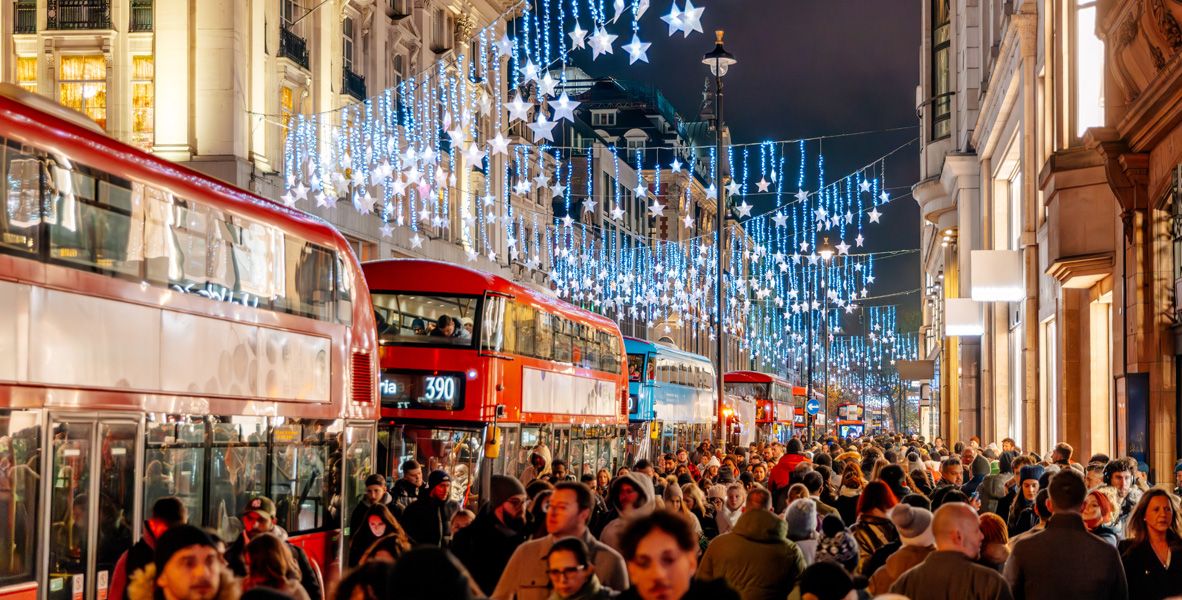
Oxford Street’s retail revival

Elizabeth Line fuels activity
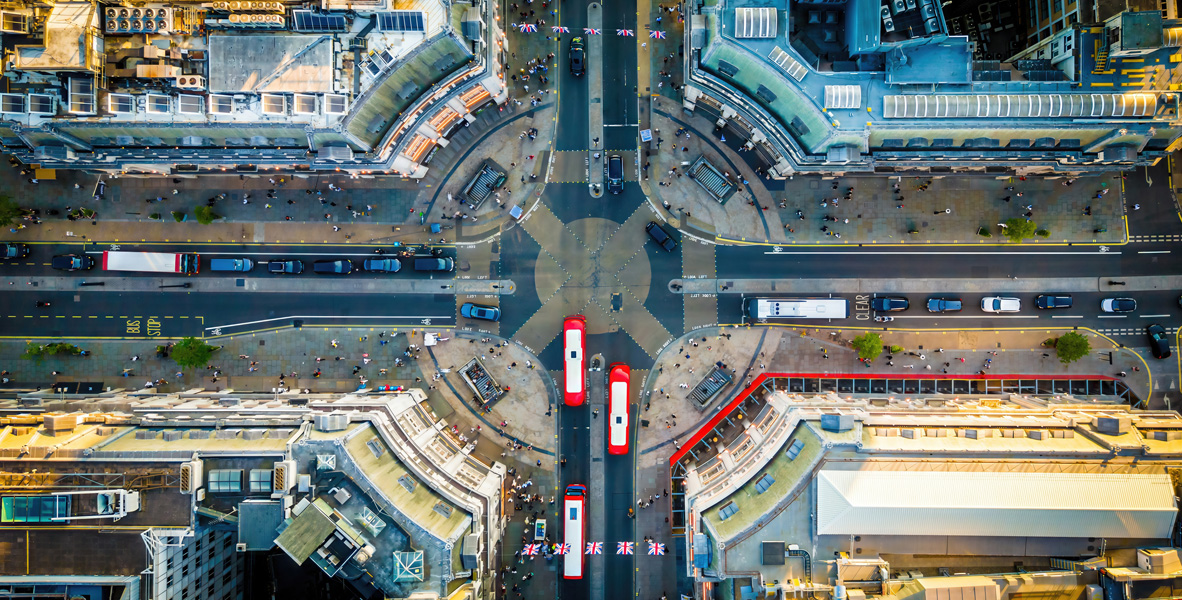
Oxford Street’s office pipeline

Retail transformation
Already, John Lewis has invested £6.5m to upgrade its store in line with changing consumer preferences. In the longer term we can anticipate the redevelopment of Marks & Spencer’s Marble Arch store and subject to planning consent, 33 Cavendish Square; including the former BHS.
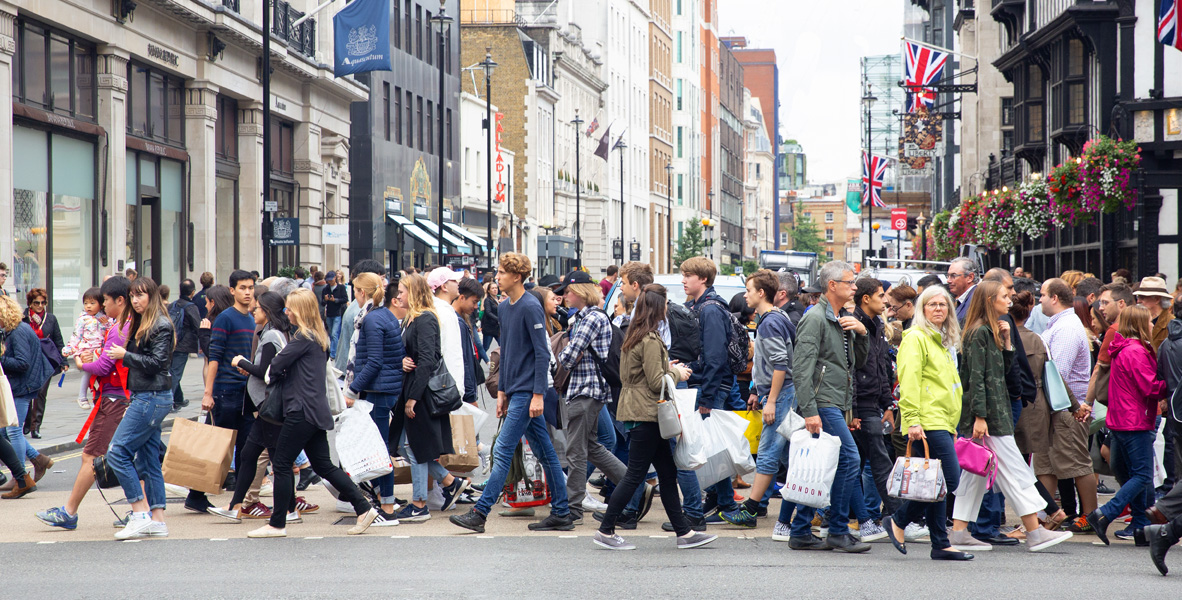
Pedestrianisation
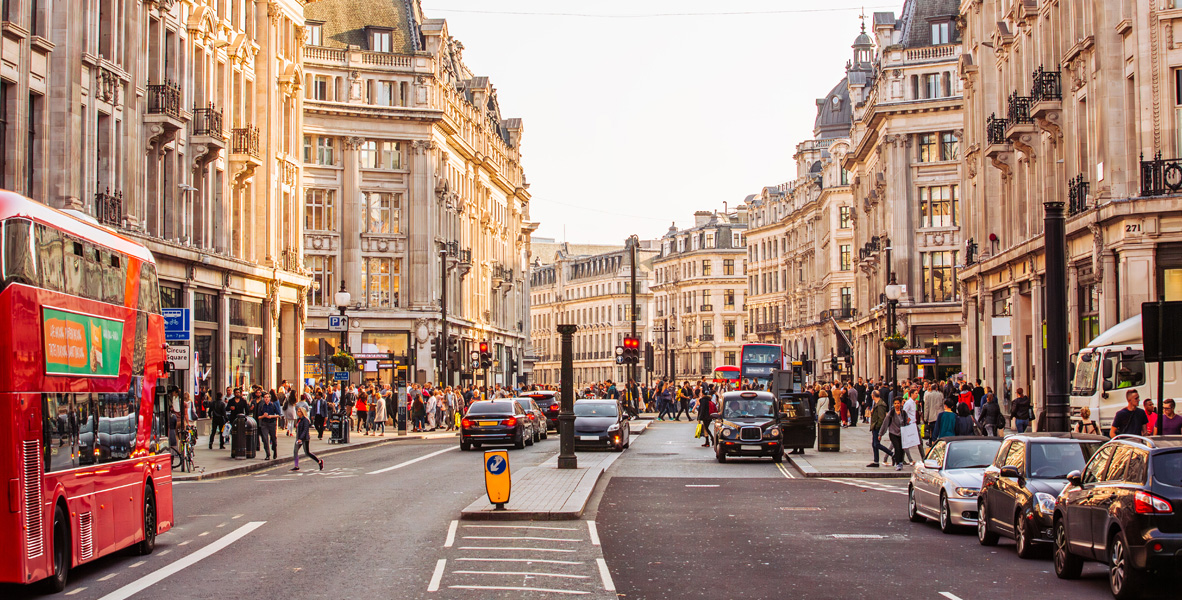
Strong market sentiment
1) A global retail destination, and,
2) A hotspot for future commercial growth.
We expect the upgraded public realm to create greater competitiveness for commercial tenants looking to occupy units along or near to the street, but the reworking of internal spaces is already encouraging a more efficient use of the space available. There is promise for investors as strong occupancy levels and the right asset mix will have positive impact for property performance.
What does the future hold?
The Square Mile: Embracing change
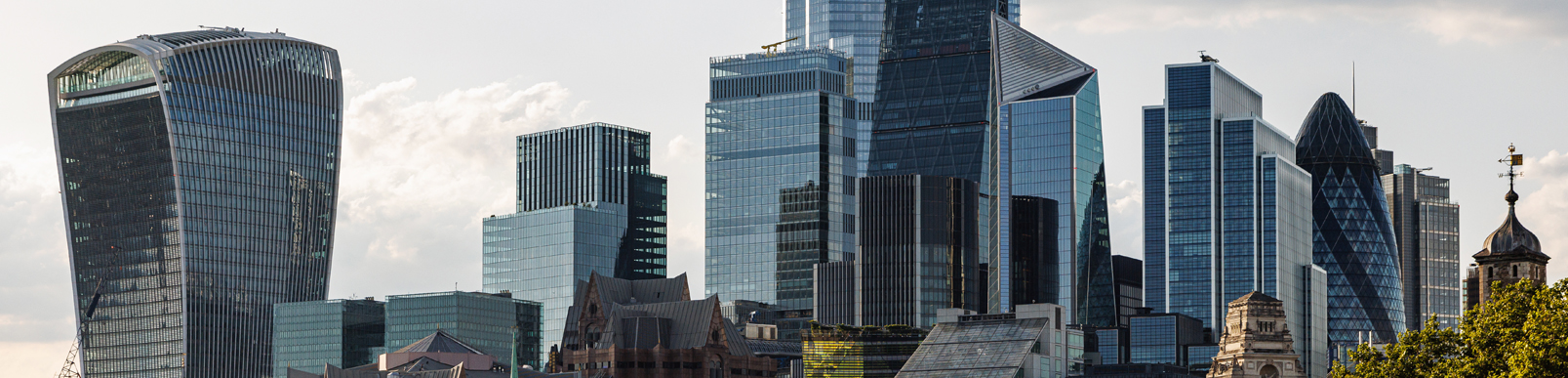
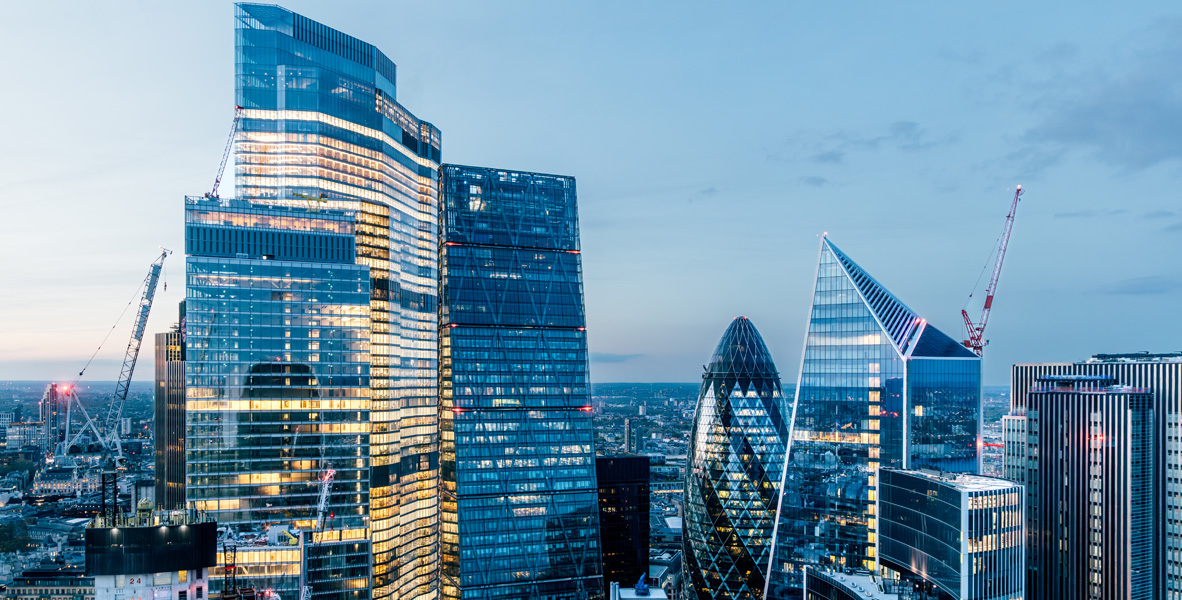
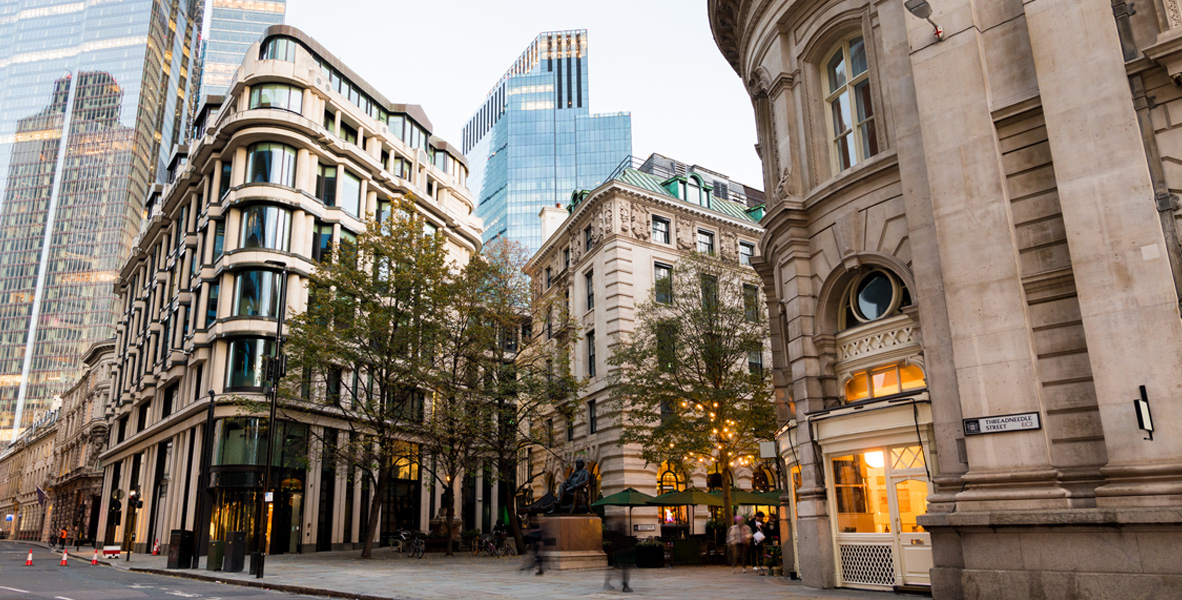
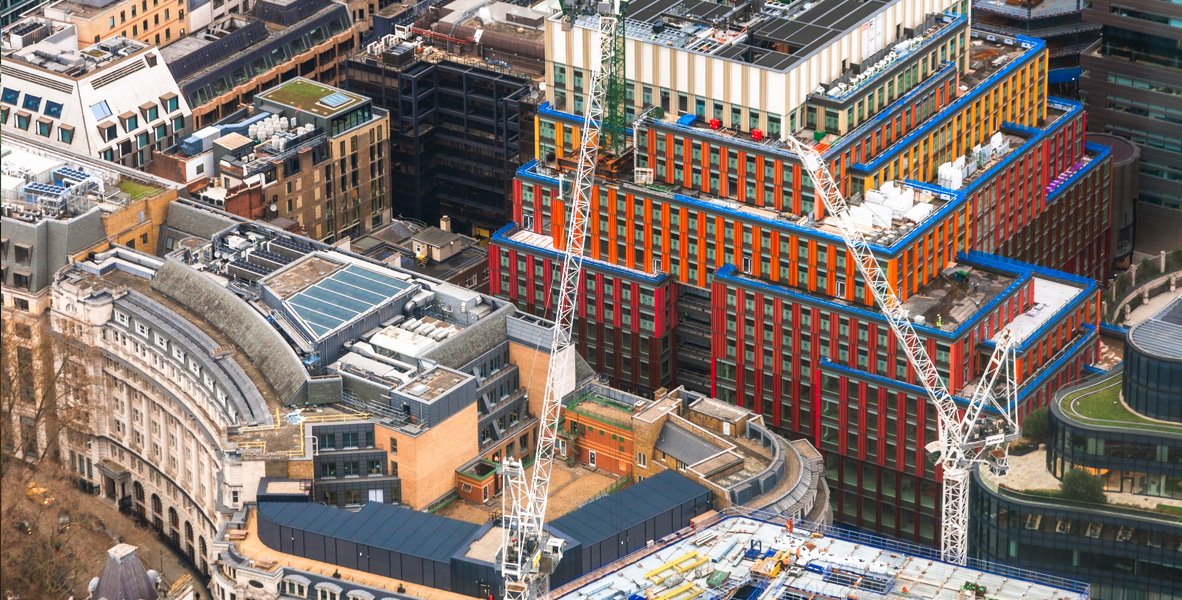
The City of London has a track record of success, and there is substantial growth potential due to the greater building height available in the City. This opportunity, combined with a progressive approach to governance, will boost London’s development and set an example for other submarkets.
Historically dominant centre
Growth strategy
Planning and development
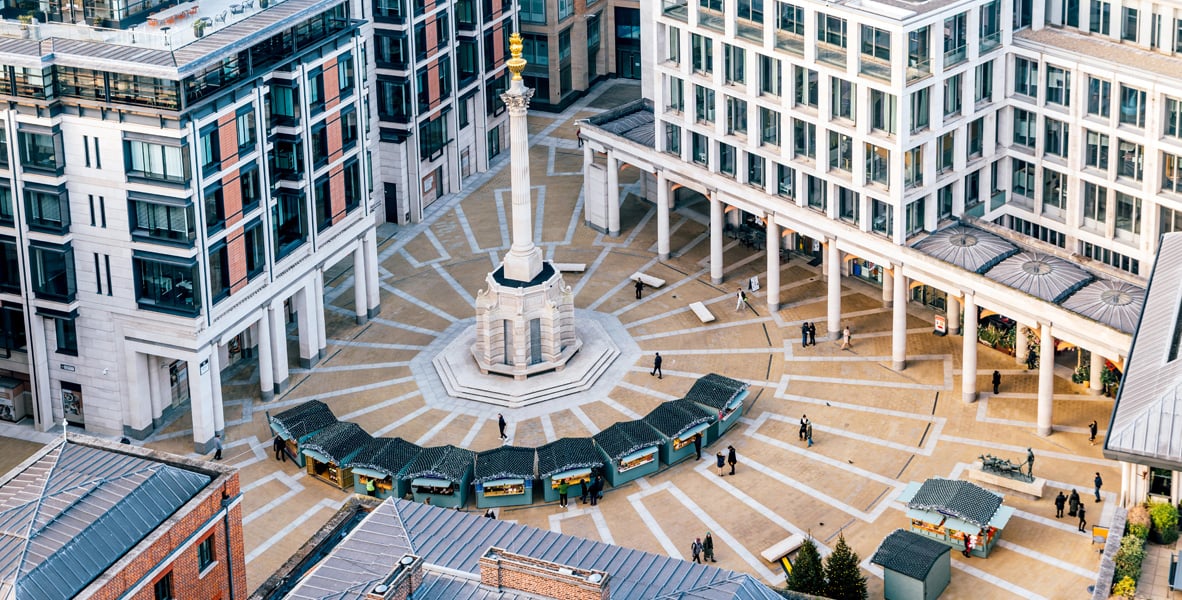
The right asset mix to support strategic goals
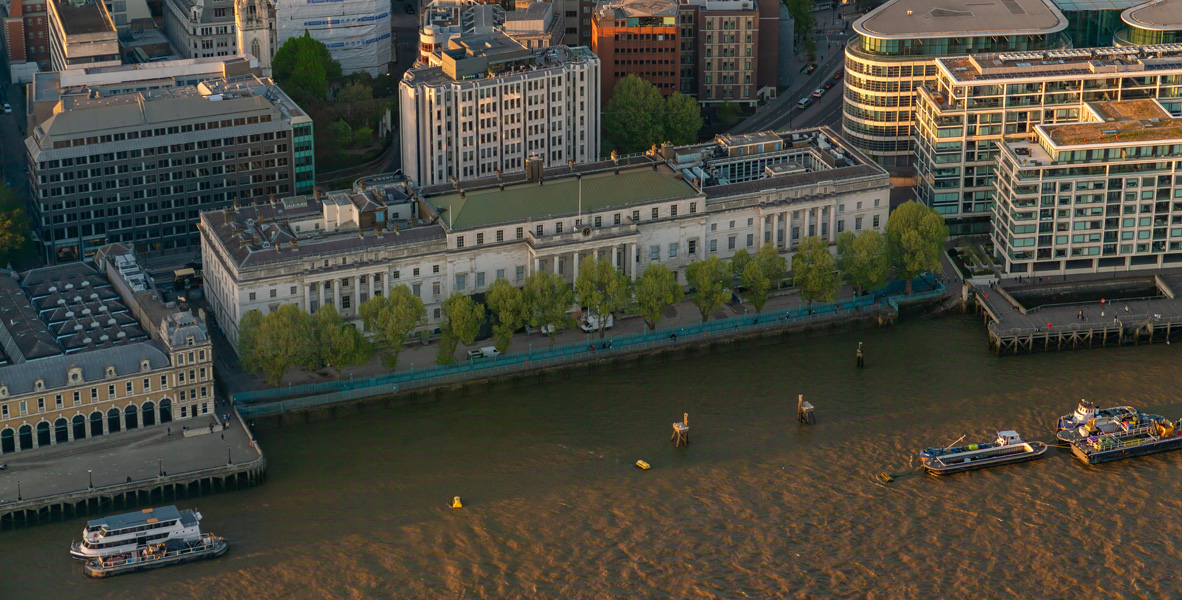
Key areas of change
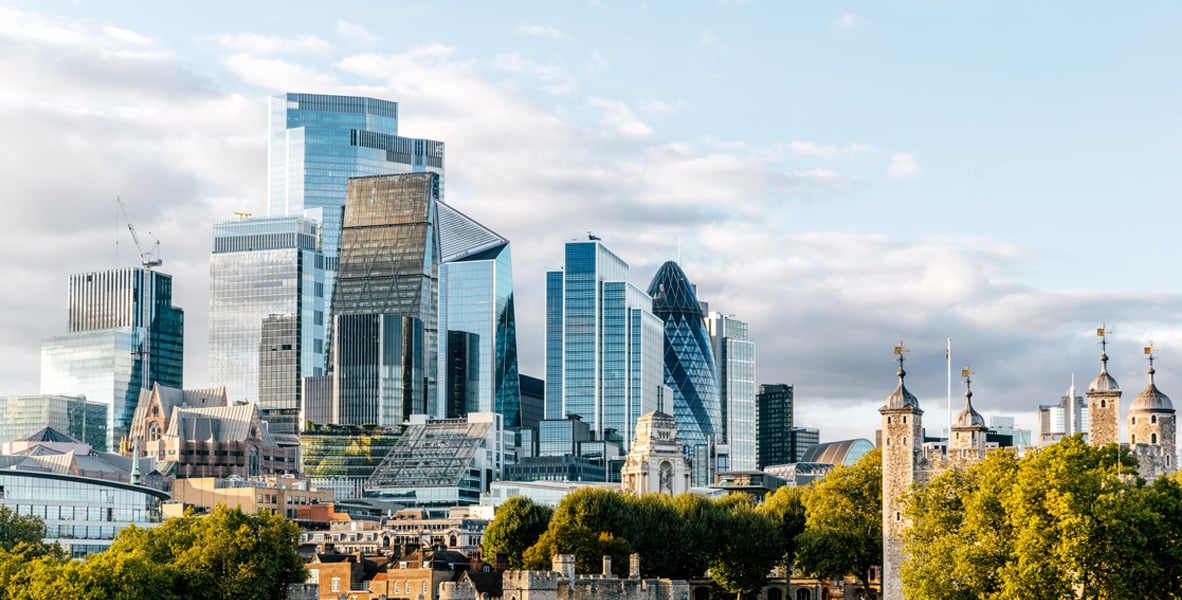
Dynamic and continually evolving
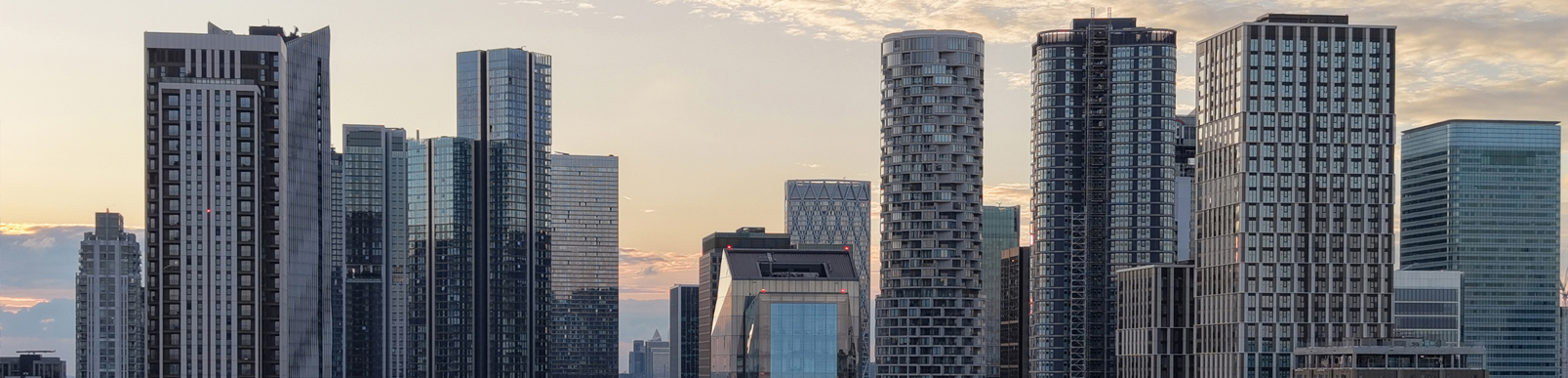
What does the future hold?
Canary Wharf: Re-inventing the banking district
The Canary Wharf market has transformed its identity from London’s banking and finance district, to a vibrant seven day a week mixed-use destination. This has redefined the market opportunity – by bringing it in line with consumer preferences and creating a fresh and vibrant destination.
Canary Wharf offers a rare chance to refurbish built stock or build on already consented land at scale, in a central location.
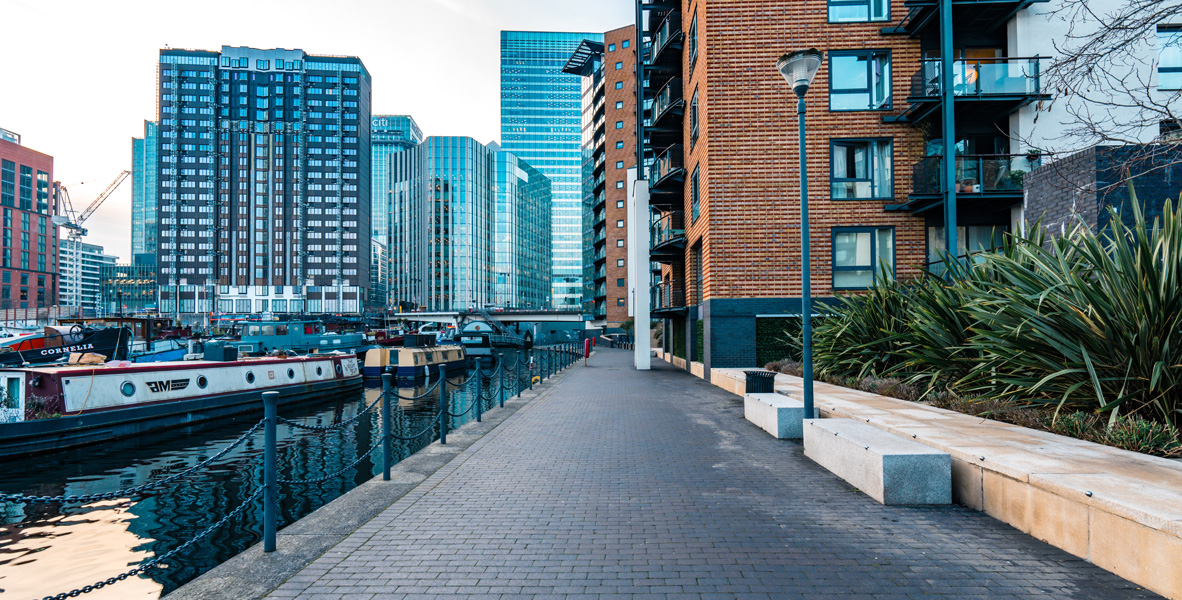
Diversifying Canary Wharf
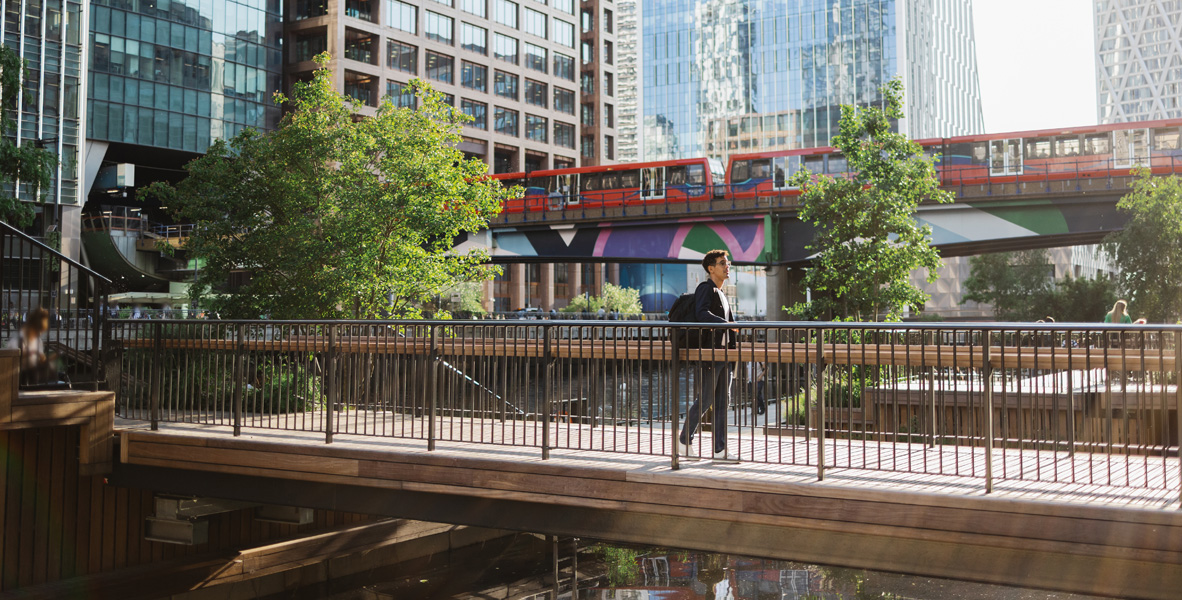
Live-work-play

Transport connectivity
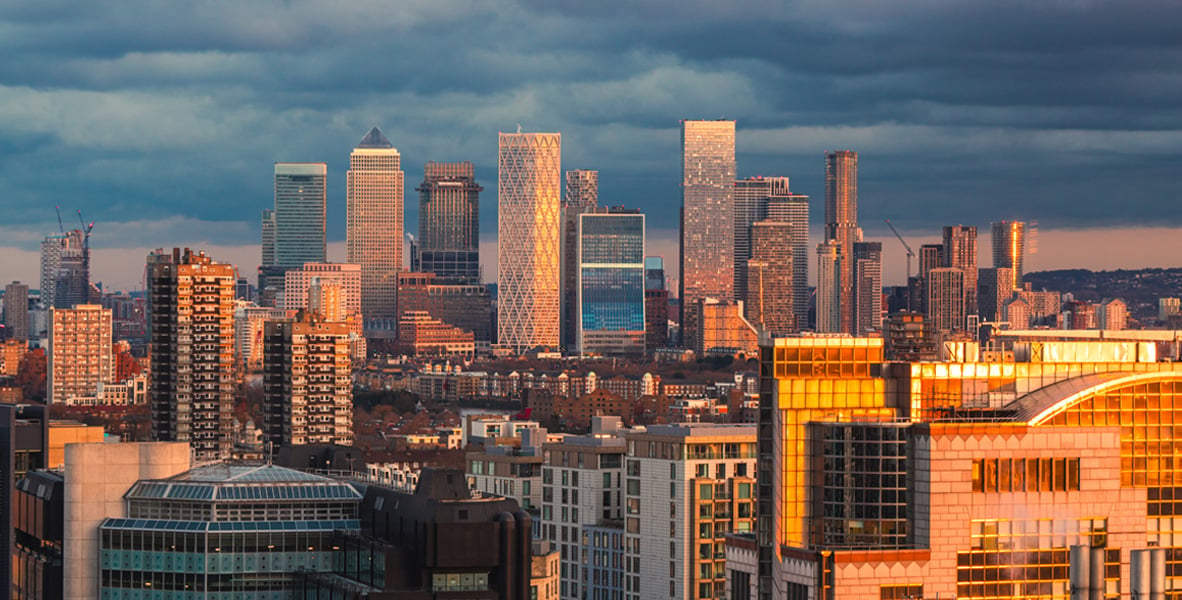
Development opportunity
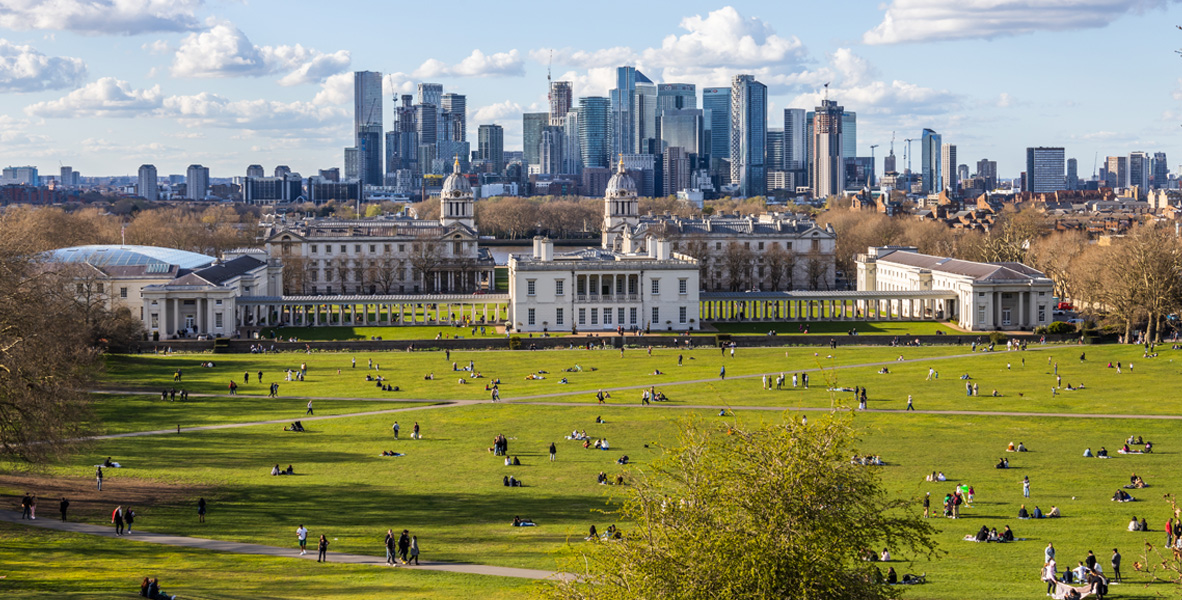
Wider ecosystem
What does the future hold?
Euston: Station-led regeneration opportunity
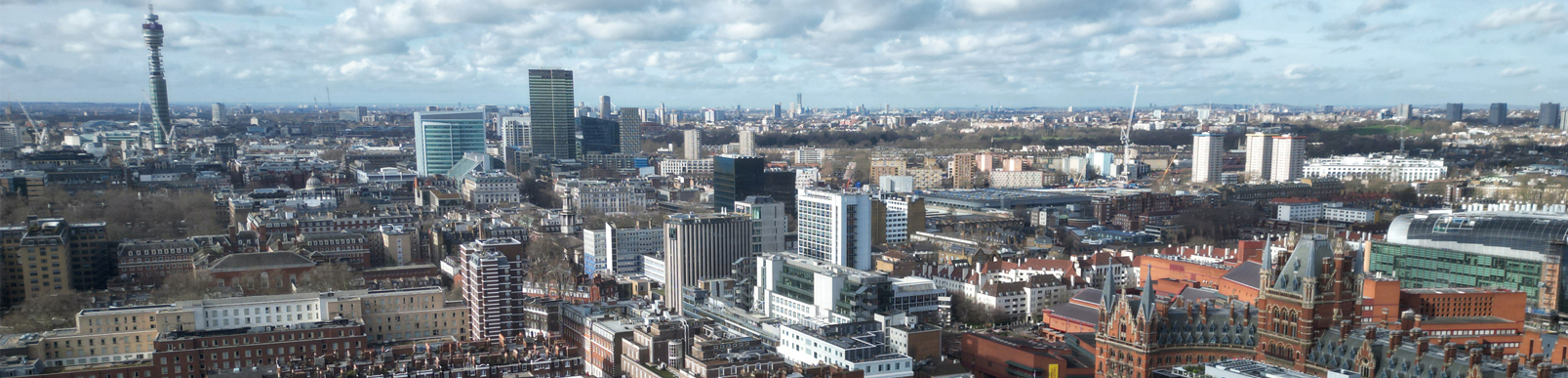
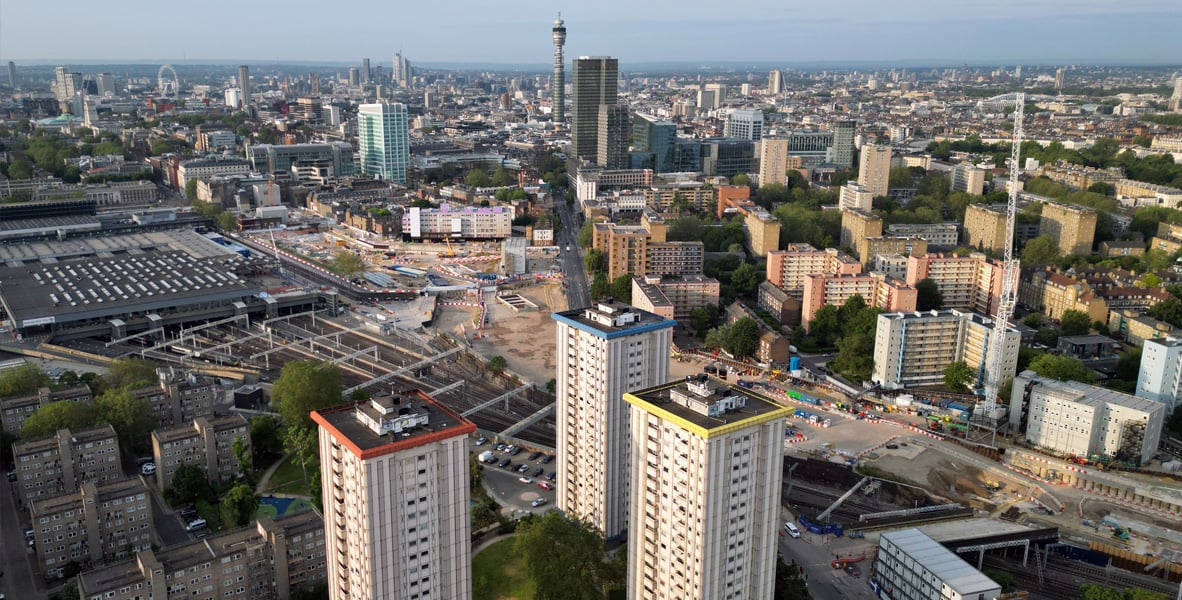
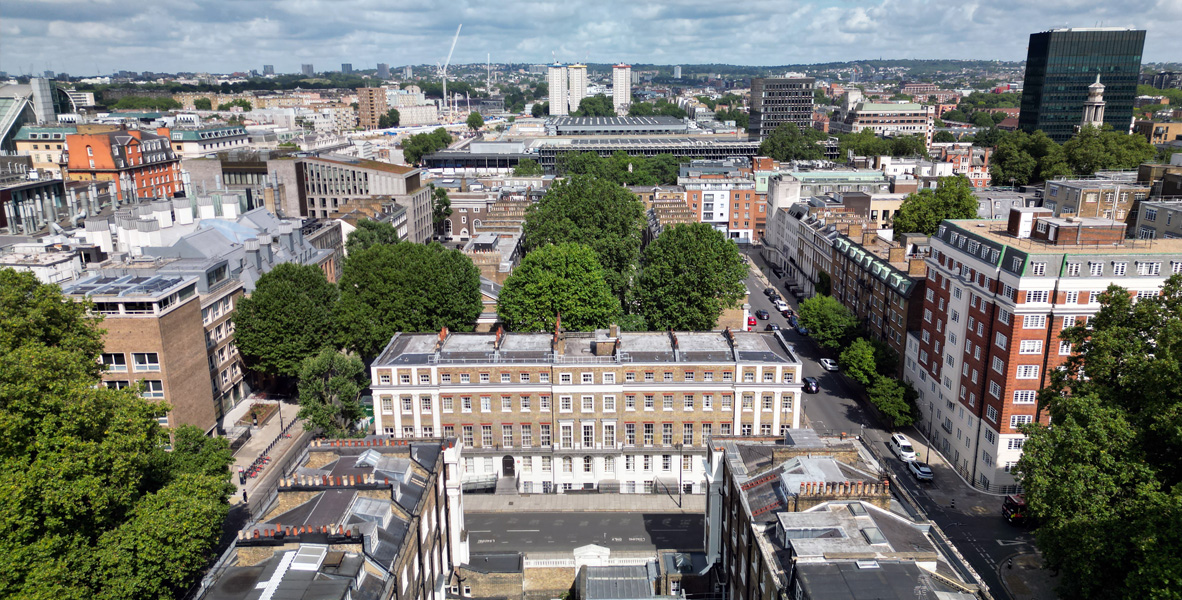
Euston sits at the heart of London’s Knowledge Quarter, which is a globally recognised innovation district encompassing UCL, the British Library, and the Francis Crick Institute, with the area already contributing billions to the UK economy.
Euston is a major station‑led regeneration opportunity in Central London, which has the potential to deliver a transformation on the scale of King’s Cross.
Large-scale development area

Developing Euston’s ecosystem

Station-led opportunity
Lendlease and The Crown Estate
Gaining momentum
What does the future hold?
Conclusion

London has built solid foundations and a strong reputation over centuries. As a result, it has scale and momentum that is difficult to replicate.
This fuels the leading investment and occupier markets of today, creating unmatched opportunities across all property types. Global powerhouse cities will continue to drive growth and London is positioned to be at the forefront.
Change is inevitable in the face of evolving macro-trends, but London is highly resilient and always adapting. London will cope with, and in fact, capitalise on widescale structural changes and the local opportunities and challenges ahead.
Want to download the full report?
Contacts
Richard Smart
Managing Director, Head of London Markets


